
Unwrap the Truth
Why Hidden Links Are the Grinch of Cybersecurity
The holiday season is here. While unwrapping gifts brings excitement, unwrapping links is an entirely different story. Wrapped links are meant to add security, but they often create confusion. At PhishCloud, we believe in empowering users with visibility—you should know where a link will take you before clicking.
Why Link-Wrapping Won't Protect You from Phishing Threats
The holiday season is here. While unwrapping gifts brings excitement, unwrapping links is an entirely different story. Wrapped links are meant to add security, but they often create confusion.
At PhishCloud, we believe in empowering users with visibility. You should know where a link will take you before clicking. Link-wrapping—a new approach in phishing defense—does the opposite. It hides critical details. Unlike wrapped presents, wrapped links don't bring joy. Instead, they weaken your ability to spot phishing attempts.
Let's unwrap the truth about link-wrapping and why clear, user-centered solutions are better for staying safe online.
The Evolution of Cyber Threats
Cybersecurity has made major strides over the years. Many traditional hacking methods have been blocked or made more difficult. But attackers are adaptable. When systems get stronger, hackers shift their focus to the weakest link: people.
Phishing attacks target human trust. They rely on deception to bypass even the most advanced defenses. Phishing emails, for example, use fake links or urgent language to trick users into clicking without thinking.
While phishing is nothing new, the tools and tactics behind these attacks continue to evolve. This is why it's critical to stay ahead of the curve with solutions that empower users to avoid phishing.
The Zero-Sum Cybersecurity Mentality
For years, the cybersecurity industry aimed for a "zero-sum" standard. The goal? Ensure no phishing attempts ever reach users.
At first glance, this sounds ideal. But in reality, it's impossible. No system can block every phishing email. When one slips through, the defense is considered a failure.
This mindset has created unrealistic expectations. Cyber threats are constantly changing, and no solution can achieve perfection. Instead of chasing an impossible goal, we should focus on preparing people to make smarter decisions online.
Why Technology Alone Isn't Enough
Many companies rely on secure email gateways (SEGs) to filter out phishing emails. These tools scan incoming messages and block suspicious ones.
While SEGs are helpful, they're not flawless. Imagine reducing phishing emails from 15% to 7%. That's significant progress. But in cybersecurity, even one malicious email is a risk.
This is where the zero-sum mentality fails. It ignores the human element. When technology misses a threat, people must be equipped to recognize and avoid phishing attempts themselves.
Employee training programs have become a common solution. These sessions teach users to hover over links, spot suspicious URLs, and report phishing attempts. Tools like PhishCloud enhance this training by providing real-time link analysis.
However, a newer trend—link-wrapping—threatens to undo these efforts.
What Is Link-Wrapping?
Link-wrapping encodes links in emails to add an extra layer of security. If a link seems suspicious, users are redirected to a warning page. The idea is to protect users from malicious sites.
https://urldefense.com/v3/__https:%2F%2Fexample-bank.com%2Flogin%3Fuser%3D12345__;!!Bg5easoyC-OII_xYq0K!fJ8vN2Qw7rXmHkZ5pLtD9sA3nG6yU1cB4eR8xV0mK2jW5oI7hF9gT6uY3lS8pN1dC0z__$
But link-wrapping introduces new problems that undermine its effectiveness:
Three Critical Problems with Link-Wrapping
1. Loss of Transparency
Transparency is key to anti-phishing efforts. When users hover over a link, they should see its true destination. Wrapped links replace this clarity with encoded URLs. These links often look like a jumble of characters, making them impossible to interpret. Tech-savvy users might be able to decode them, but the average person cannot. This loss of visibility makes it harder to avoid phishing attempts.
2. Perpetuating the Zero-Sum Problem
Link-wrapping doesn't address the root cause of phishing risks. If a phishing email passes through a secure gateway, the system has already failed. Wrapping the link afterward doesn't fix this issue. The logic is flawed. If the system could reliably identify malicious links, it should block them outright. Adding an extra step doesn't make the process more secure.
3. A False Sense of Security
Perhaps the biggest issue is the false confidence link-wrapping creates. Users may believe wrapped links are safe and click without hesitation. If a phishing attack succeeds, the blame often falls on the user. Yet the process itself made it harder for them to act cautiously. Instead of empowering users, link-wrapping sets them up for failure.
Empowering Users with Better Solutions
Phishing defense should prioritize the user experience. People need tools that are clear, simple, and actionable. This is where PhishCloud comes in.
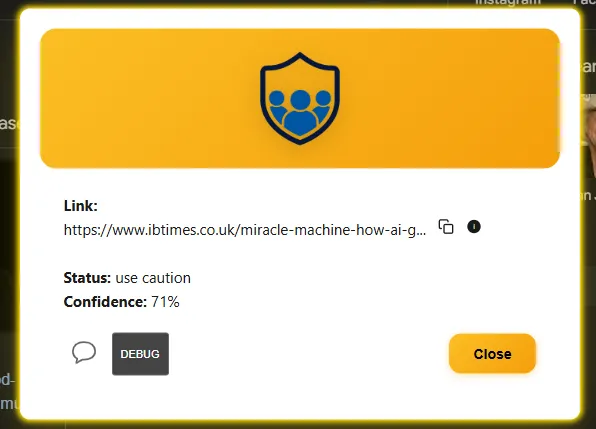
Our platform provides real-time visibility into the links users encounter. With a simple right-click, anyone can reveal the true destination of a link—even if it's shortened or wrapped.
PhishCloud also uses AI to scan links for safety. Suspicious or malicious links are flagged with a color-coded system, making it easy to identify risks at a glance.
This approach eliminates guesswork. Whether users are checking email or browsing the web, they can make informed decisions to avoid phishing.
Why PhishCloud Stands Out in Anti-Phishing Defense
PhishCloud isn't about adding layers of complexity. Our PHISH360° platform is designed for users, not just IT teams.
We believe in unwrapping links and showing their destinations clearly. This transparency empowers users to protect themselves, reducing reliance on systems that obscure critical details.
By focusing on visibility, control, and real-time insights, PhishCloud provides a cybersecurity training experience that works. Our tools don't just defend against cyber threats—they build user confidence.
Stay Safe This Holiday Season
The holiday season is a prime time for phishing attacks. As online shopping and email activity increase, so do cyber threats.
With PhishCloud, you can navigate the web safely and confidently. Our platform acts like a trusted cybersecurity partner, helping you avoid phishing with ease.
Ready to see the difference for yourself? Start your free 14-day trial today. Let PhishCloud simplify your cybersecurity journey and keep you safe all year long.
🎁 Unwrapping Links ≠ Unwrapping Gifts: The Grinch Stole Transparency
Link-wrapping promised security but delivered confusion. Encoded URLs hide destinations, perpetuate zero-sum failures, and create false confidence. Users can't spot phishing when they can't see where links lead. Time to unwrap the truth.
Three Critical Flaws in Link-Wrapping
Loss of Transparency
When users hover over a link, they should see its true destination. Wrapped links replace clarity with encoded jumbles—impossible to interpret. Tech-savvy users might decode them, but average people can't. This loss of visibility makes it harder to avoid phishing.
Perpetuating the Zero-Sum Problem
If a phishing email passes through a secure gateway, the system has already failed. Wrapping the link afterward doesn't fix this. The logic is flawed: if the system could reliably identify malicious links, it should block them outright. Adding an extra step doesn't make it more secure.
False Sense of Security
Users believe wrapped links are safe and click without hesitation. If a phishing attack succeeds, blame falls on the user—yet the process itself made it harder for them to act cautiously. Link-wrapping sets users up for failure instead of empowering them.
What Link-Wrapping Looks Like
https://urldefense.com/v3/__https:%2F%2Fexample-bank.com%2Flogin%3Fuser%3D12345__;!!Bg5easoyC-OII_xYq0K!fJ8vN2Qw7rXmHkZ5pLtD9sA3nG6yU1cB4eR8xV0mK2jW5oI7hF9gT6uY3lS8pN1dC0z__$
Can you tell where this link goes? Most users can't. The original destination is buried in encoded characters, making it impossible to verify safety before clicking. This is the transparency problem in action.
PhishCloud: Unwrapping Links for Real Protection
Real-Time Visibility
Click to explore
Simple right-click reveals the true destination of any link—even if shortened or wrapped. See where you're going before you click. Transparency = empowerment.
AI-Powered Link Scanning
Click to explore
AI scans links for safety automatically. Suspicious or malicious links flagged with color-coded system—identify risks at a glance. No guesswork, just clear guidance.
User Empowerment
Click to explore
Designed for users, not just IT teams. Unwrap links, show destinations clearly, build confidence. Tools that defend AND educate—reducing reliance on obscure systems.
Clear Warnings, Not Hidden Confusion
PhishCloud provides clear, actionable warnings when threats are detected. Users see exactly what the risk is and can make informed decisions—no encoded URLs, no confusion, no false security.
Why Transparency Beats Link-Wrapping
Unwrap Real Protection This Holiday Season
Link-wrapping hides transparency, perpetuates zero-sum failures, and creates false security. PhishCloud unwraps the truth—real-time visibility, AI-powered scanning, user empowerment. Don't let the Grinch steal your cybersecurity. Start your free 14-day trial today.